

❋
Nature Has a Human Behavior Problem -adoption.
Communities in Nature | Behavioral Science for Land Use & Climate Risk
NATURE as a service
Behavioral Certainty for High-Stakes LAND USE DECISIONS
The industry’s first Behavioral & Trust Data Layer for Parametric Insurance, Resilience Bonds, and Capital Deployment in Land Use.
Physical models calculate wind, flood, and carbon. Community Intelligence (CI) calculates the Human Risk Factor—mapping census-tract behavioral readiness, local friction, and adoption pathways so environmental capital actually holds on the ground.
Execution Gap: Physical Models (Wind, Soil, Water) + Human Behavioral Adoption Layer = Guaranteed capital Execution
Behavioral-based planning, relational communications and authentic community engagement, underwritten by trust.
Engagements for Planning, Strategy, Communications. Community Trust and Investment Measures, Decision making Tools, Place-Based research and activation, Target, Segmentation, Media & Influence (precision), Neuro-Marketing, Behavior Change learning, Hyper-local Partnership & Market Development.
Radical Privacy Zero PII. Zero surveillance. Zero liability. We map place-level trust and behavioral readiness without ever harvesting individual identities—giving financial institutions and government partners full regulatory and ethical compliance.
Know Your Community

CI STACK:
PARAMETRIC > RESILIENCE
We host a behavioral lab studying: survivability, and propensity to prepare, within geographies, predicting a community's capacity to maintain and defend nature investments - green infrastructure, managed retreat, conservation easements - across political shifts, economic pressure, and generational change.
Risk-reduction instrument for Insurance underwriters and CDFI credit committees: Policies and portfolios can price on behavioral alignment, measure trust and resilience capacity making for better risk models and lower long-term risk.
Relief: Pre-position resources where community capacity acts as a multiplier. Aid flows where it can be absorbed.
Conservation: Protected lands persist when communities have behavioral readiness to defend them
CI is the only system that measures Behavioral Trust Topography at the Census-Tract Level.
Satellite telemetry measures environmental degradation.
Polling measures opinions.
Legacy tools (Palantir, Zencity, Standard ESG Ratings) are Passive Data Systems.

RISK & RESILIENCE: Insurance to Relief
Between insurance underwriting and disaster response lies a single dividing line: the Event.
One industry prices risk before the moment of crisis as the other deploys resources after. Both face the same fundamental question that conventional analytics do not and cannot answer: Will this community prepare? Will they recover? How do they steward resources most effectively?
Communities in Nature | Behavioral Science for Land Use & Climate RiskPhysical models calculate wind, flood, and carbon. Community Intelligence (CI) calculates the Human Risk Factor—mapping census-tract behavioral readiness, local friction, and adoption pathways so environmental capital actually holds on the ground.
1. Parametric Insurance & Catastrophe Risk
· Premise: Parametric triggers pay out fast based on physical events, but post-event recovery stalls when human systems refuse to coordinate or evacuate.
· CI’s Edge: CI provides the zero-PII Behavioral Readiness Read for Wildland-Urban Interfaces (WUI) and coastal corridors, pricing local adoption and community compliance directly into parametric policy structures.
2. Resilience Bonds & Environmental Debt (CDFIs & Green Banks)
· Premise: Green bonds and CDFI infrastructure loans hit default or execution stalls due to top-down institutional friction and historical community mistrust.
· CI’s Edge: Implementation Insurance for Green Capital. CI maps the Channels and Authentic Messengers who carry local program adoption for watershed restoration, community solar, and municipal resilience bonds.
3. Best Use of Place & Land Stewardship
· Premise: Conservation groups buy or set aside land without knowing if the surrounding population will actively steward or resist the land-use shift.
· CI’s Edge: Best Use of Place. Blends classifier-derived values with census-tract civic profiles to predict whether a community will co-manage, protect, or reject local conservation efforts.
4. Regenerative Ag & Soil-Carbon Adoption
· Premise: Agronomic models quantify soil carbon potential, but farmer and land-owner adoption sits at single digits due to cultural and institutional mistrust.
· CI’s Edge: Maps subterranean trust networks across agricultural corridors (Sensing Hubs) to identify local bellwethers who drive farming practice transitions.
Request a Behavioral Risk Read for Your Target Footprint
Before underwriting a $50M climate resilience bond or deploying parametric capital, financial institutions use CI to run a Behavioral Friction Diagnostic—identifying local adoption risks before capital is exposed.
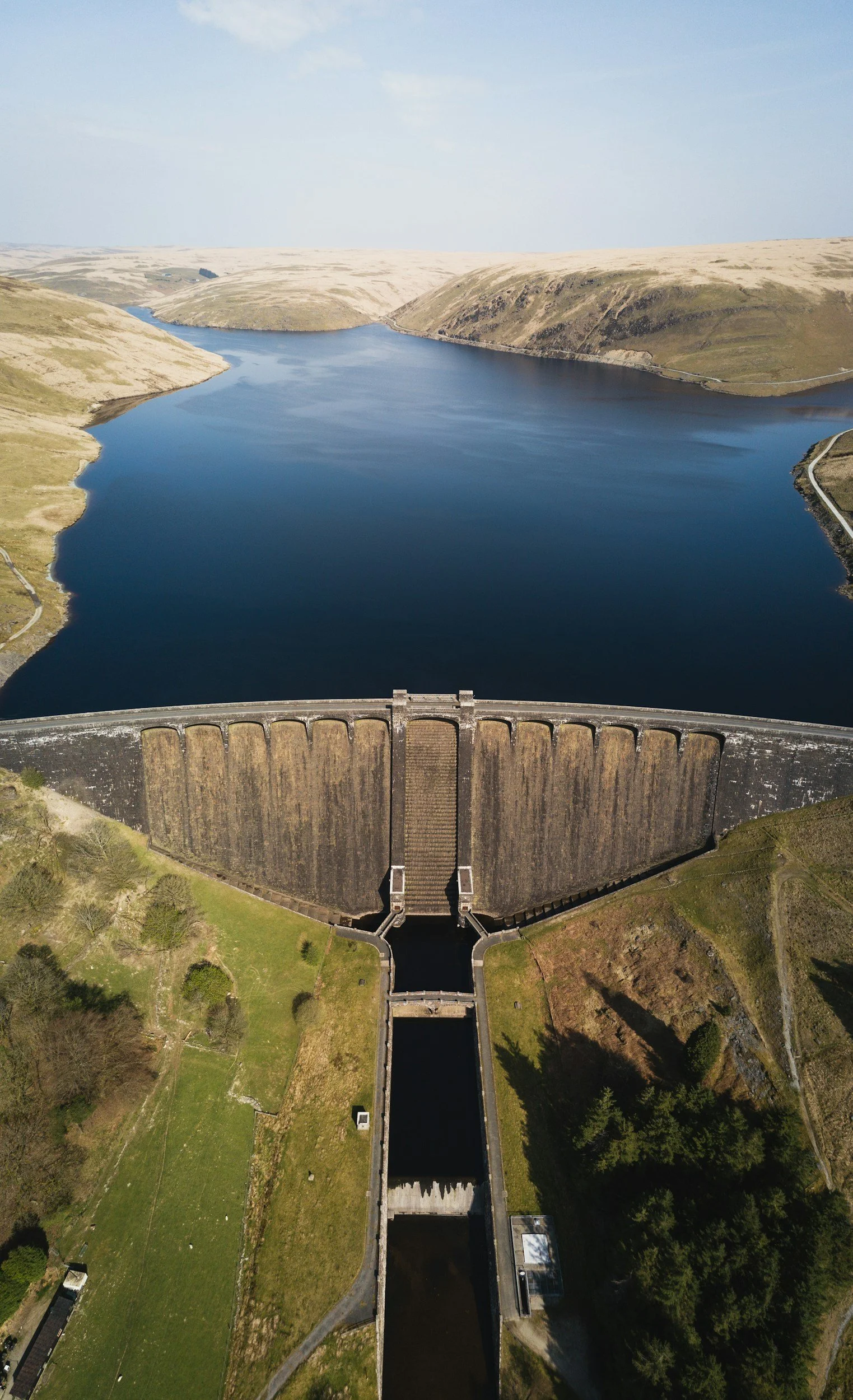
nature’S CHALLENGES are driven by human behavior, decision-making and community trust factors
RFUTR + CI is the Human Execution Layer.
CI is the only platform that measures Behavioral Trust Topography at the Census-Tract Level.


LAND USE = Our Relationship with Nature
Every ecological challenge traces back to human use decisions: How we treat nature.
these Community decisions critically shape our communities, OUR health, OUR resilience - our future viability.

TheorY of Change / Environment
Trust = Resilience
Trust best predicts Behavior
Resilience = Land Use / *Risk
*Risk: HUMAN BEHAVIOR / How we treat nature »
COMMUNITIES ARE THE ENVIRONMENT
Since human behavior and decision making determines whether nature-based solutions hold, Stewardship is the missing variable in conservation and resilience models.
